Have you ever taken a bite of chocolate, loved it, then tried another brand and thought, "WOW… this one's even better"? If you've got five minutes to spare, I can tell you why that happens. I promise it'll be interesting — hopefully entertaining too — but you'll have to tell me if I succeed.
So why do all chocolates taste different? I mean, if you eat a milk chocolate button from Cadbury's, one of Lindt's origin bars, or one of CassPea's chocolate barks… aren't they all made from the same ingredients? Milk, cacao, sugar, maybe a little vanilla. And yes — in short — that's absolutely right. So why do they taste so different?
The difference lies in how they're made.
Chocolate has a few essential steps that all cacao must go through to become chocolate, but not everyone takes the same level of care. That's where differences in quality — and flavour — really start to show.
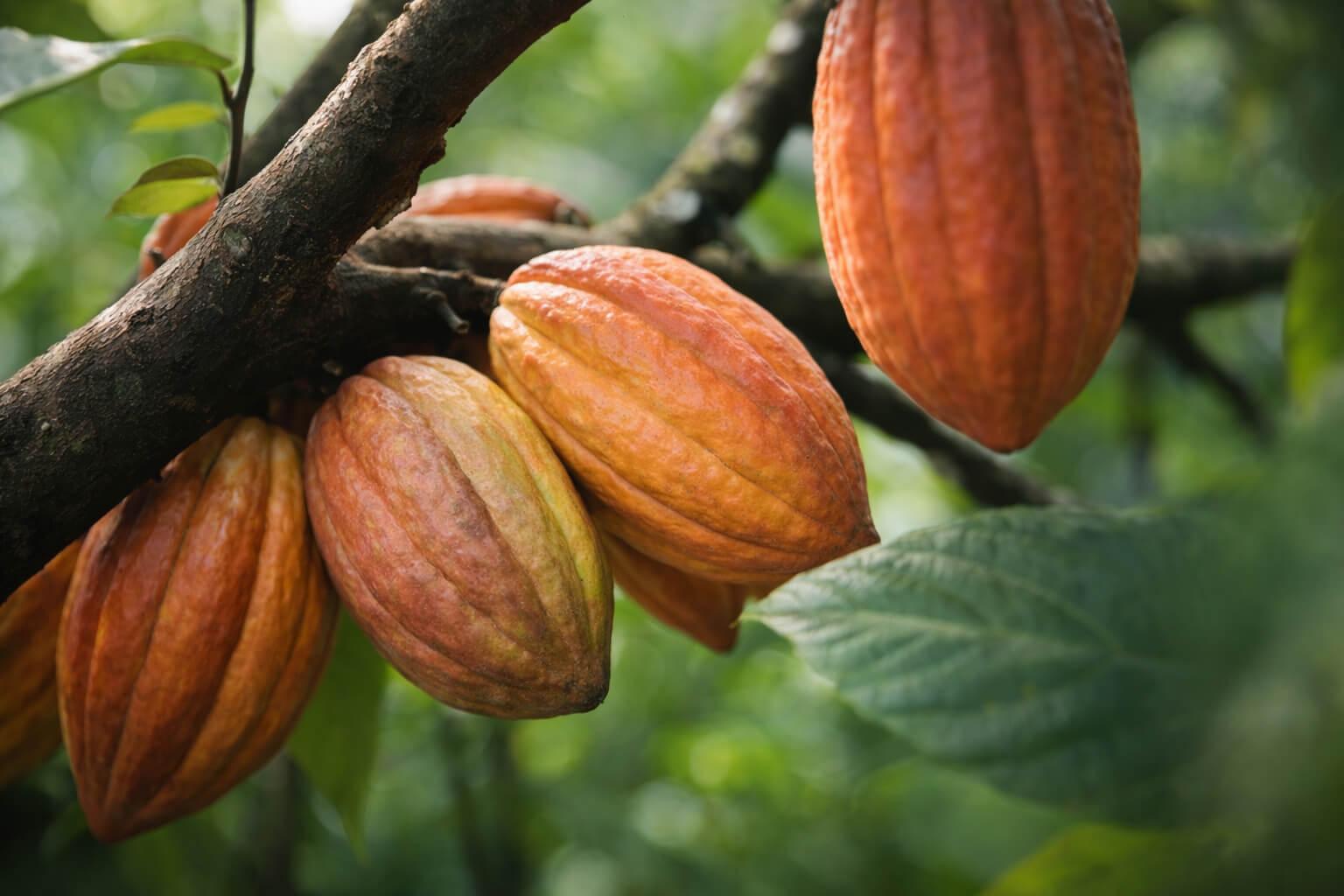
It all begins with the cacao fruit
There are three main types of cacao:
- Criollo – The original cacao plant encountered by European explorers in the 16th century, in what is now Mexico
- Forastero – Originally from South America, particularly Brazil
- Trinitario – A cross between Criollo and Forastero, mostly found in Madagascar, Indonesia and Cameroon
Each variety has its own flavour profile. Criollo makes up only about 3% of global production and is considered a high-end variety. Forastero is the most widely used cacao in the world — hardy, reliable, and grown extensively in South America and West Africa. Trinitario is robust, disease-resistant, and beautifully flavourful.
Next comes fermentation — and this step is absolutely crucial.
The cacao pods are opened by hand, and the seeds (still coated in their sweet, sticky nectar) are placed into bins — traditionally lined with leaves, long before plastic came along — and left to ferment for several days. This process has to be carefully monitored. Too hot and the cacao becomes inedible. Too cool and nothing happens at all. Temperature, pH levels, and movement all matter. Leave it too long and the flavour turns harsh and astringent. Get it right, and you're on your way to something special.
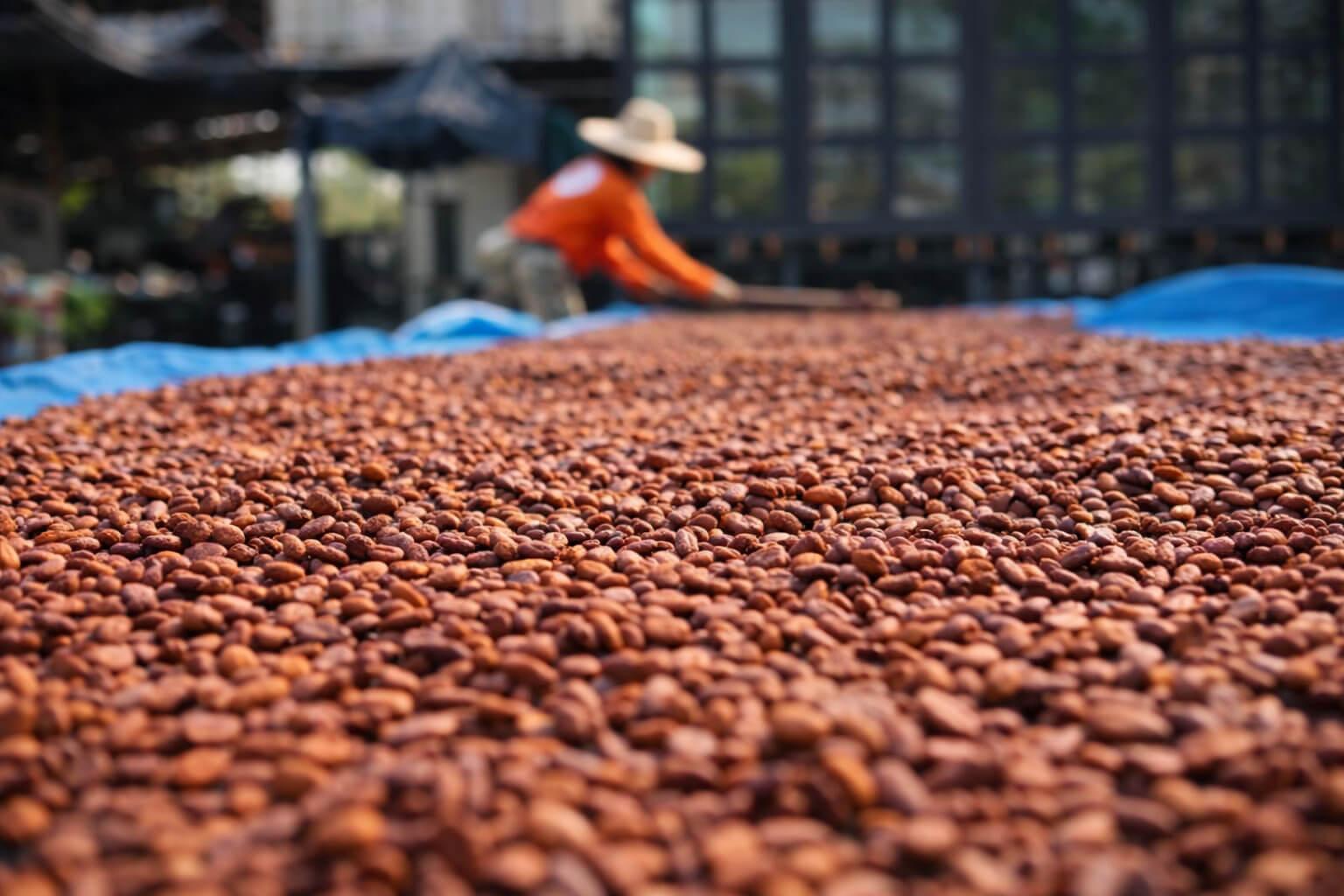
After fermentation comes drying
This isn't done in factories by robots. It's still carried out much as it was in pre-Columbian times: cacao seeds spread out under the intense tropical sun. It's simpler than fermentation, but still hands-on. The seeds must be turned regularly to prevent mould and protect the batch.
Then comes roasting
Just like coffee, roasting has a huge influence on flavour. This is where a chocolatier starts to reveal what's hidden inside the bean — fruity notes, hints of spice, caramel, toffee — all waiting to be brought forward.
The final stage is refining
Peeling, crushing and smoothing the chocolate. Large companies use machines for peeling, and it's genuinely fascinating to watch. No human intervention needed. I, on the other hand, have peeled cacao beans by hand. It's slow, repetitive… and somehow deeply satisfying.
So yes — fermentation, drying, roasting and refining all play a massive role in how chocolate tastes. But there's one more thing that might matter more than anything else.
Earth and Water
As Xerxes' envoy famously said to Leonidas: "Earth and Water" (kudos if you caught the reference). Terroir — the land itself — has a profound effect on flavour.
Take cacao grown in my family's native state of Chiapas, in the southeast of Mexico, and process it alongside cacao from Indonesia, using the same methods. The results will still taste completely different. The acidic soil of Chiapas produces chocolate with bright, sharp, almost astringent notes. Indonesian cacao, grown in rich volcanic soil, tends to deliver deeper flavours — caramel, nuts, berries — and a fuller chocolate character.
The journey continues
So there are some of the reasons as to why your favourite chocolates all taste very different. There is so much more that impacts the final taste of the chocolate, including the packaging. Now this will be a topic for another post, and one that truly fascinates me.
With that in mind, I hope you've learned a little — and maybe enjoyed the journey too, perhaps somewhere between tube stops. Thanks for letting me be part of your day today… and any other day you decide to come back and re-read this.
Questions, comments, or rants? Email me anytime at info@casspea.co.uk— I'd love to hear your thoughts on chocolate, terroir, or whether you spotted that 300 reference.